Monica McCormick
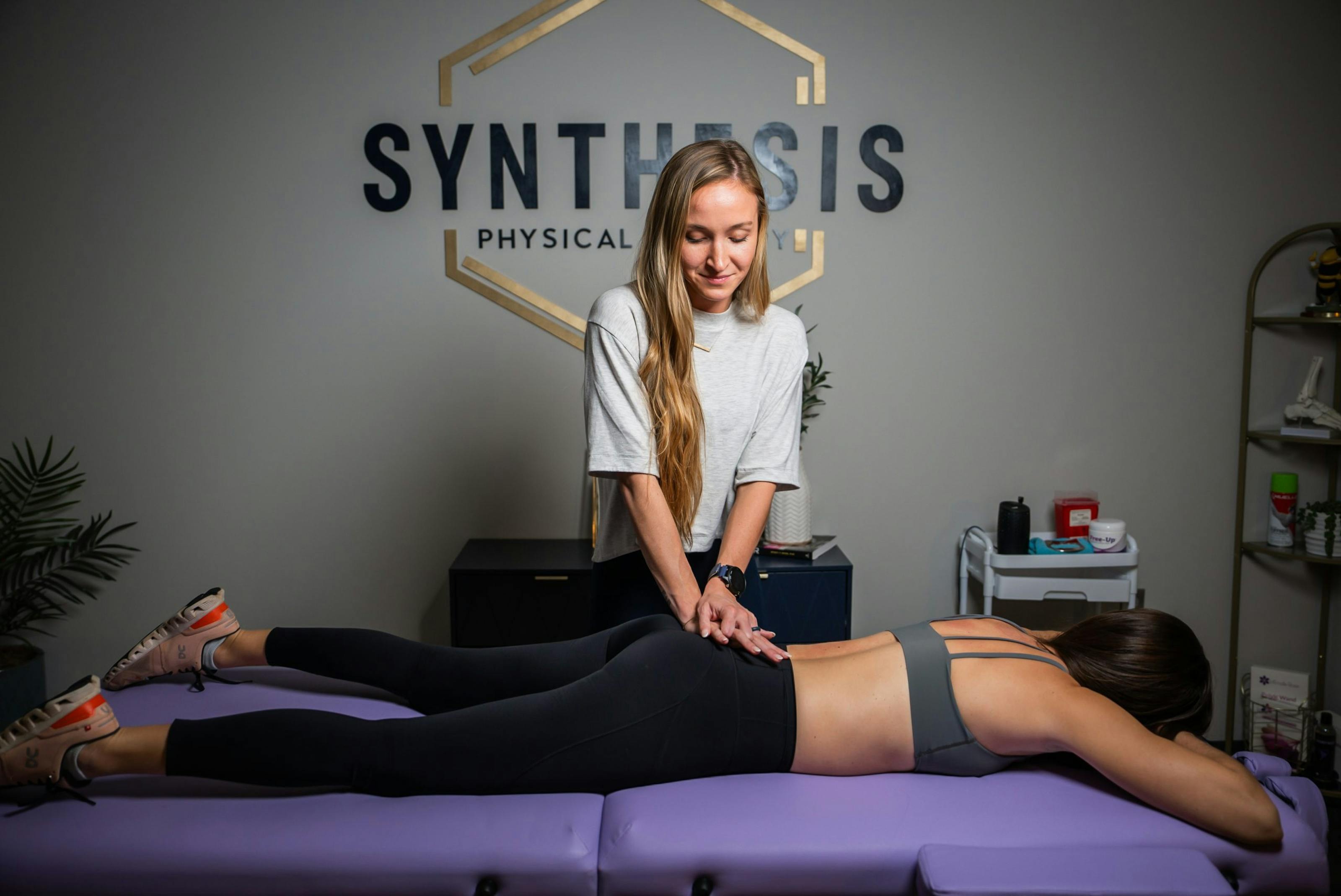
Dr. Rachel Selman doesn't just treat injuries—she changes the narrative around what's possible for athletes. As a physical therapist, recreational athlete, and mom of two in Charlotte, North Carolina, she works primarily with runners and active women who want to train hard without constantly feeling like they're one step away from injury.
Her work sits at the intersection of performance, pelvic health, and strength training—helping people understand their bodies so they can train with more confidence and less guesswork. Rachel's path to this integrated approach began with a realization: while she loved helping patients feel better through physical therapy, there was a gap for those looking to perform at a higher level. That shift pushed her to pursue certifications in strength and conditioning (CSCS) and performance sport science (CPSS)—allowing her to program well beyond rehab needs.
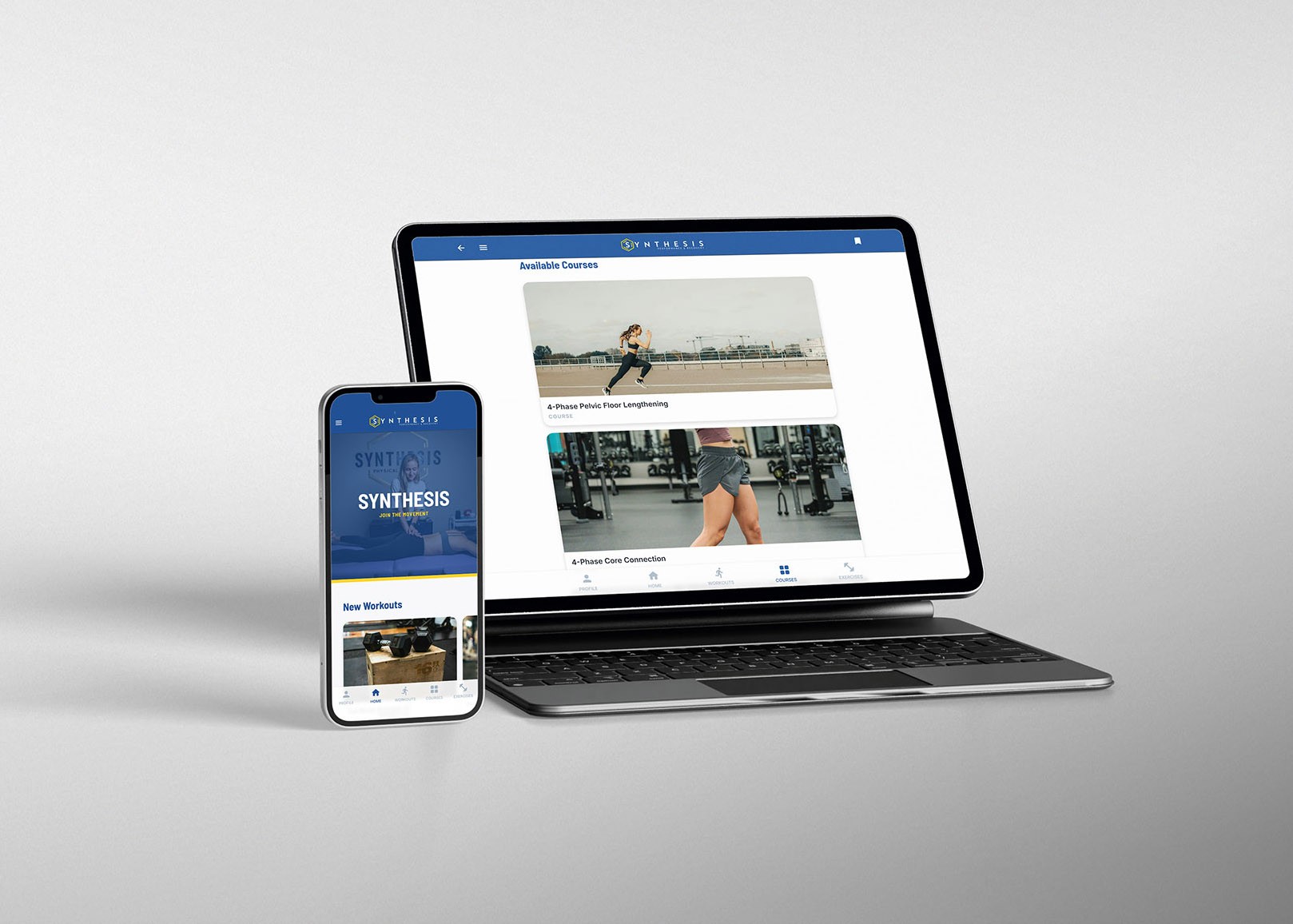
But when she wanted to scale this expertise beyond her 1:1 clinic, she faced a problem: most platforms were built solely for delivering workouts, not the education-heavy, context-rich coaching her approach required. That's when she discovered Movement—and built Synthesis, an app that finally matched how she actually coaches.
Can you tell us about our business and who you help?
I'm a physical therapist and strength coach working primarily with runners and active women who want to train hard without constantly feeling like they're one step away from injury. My work sits at the intersection of performance, pelvic health, and strength training—helping people understand their bodies a little better so they can train with more confidence and less guesswork.
A big part of what I do is integrating pelvic health into athletic performance. A lot of athletes are either never taught how the pelvic floor fits into running and lifting, or they're only exposed to it in a very rehab-focused, restrictive way. I'm passionate about changing that and making pelvic health something that supports performance as opposed to something that sidelines it.
What drives me is changing the narrative around pain and limitations. A lot of the people I work with have been told to stop, avoid, or scale back. I'm much more interested in showing them what they can do—and building them back up in a way that actually supports their goals long term.
"My work sits at the intersection of performance, pelvic health, and strength training—helping people understand their bodies better so they can train with more confidence and less guesswork."
What problem were you facing before using Movement?
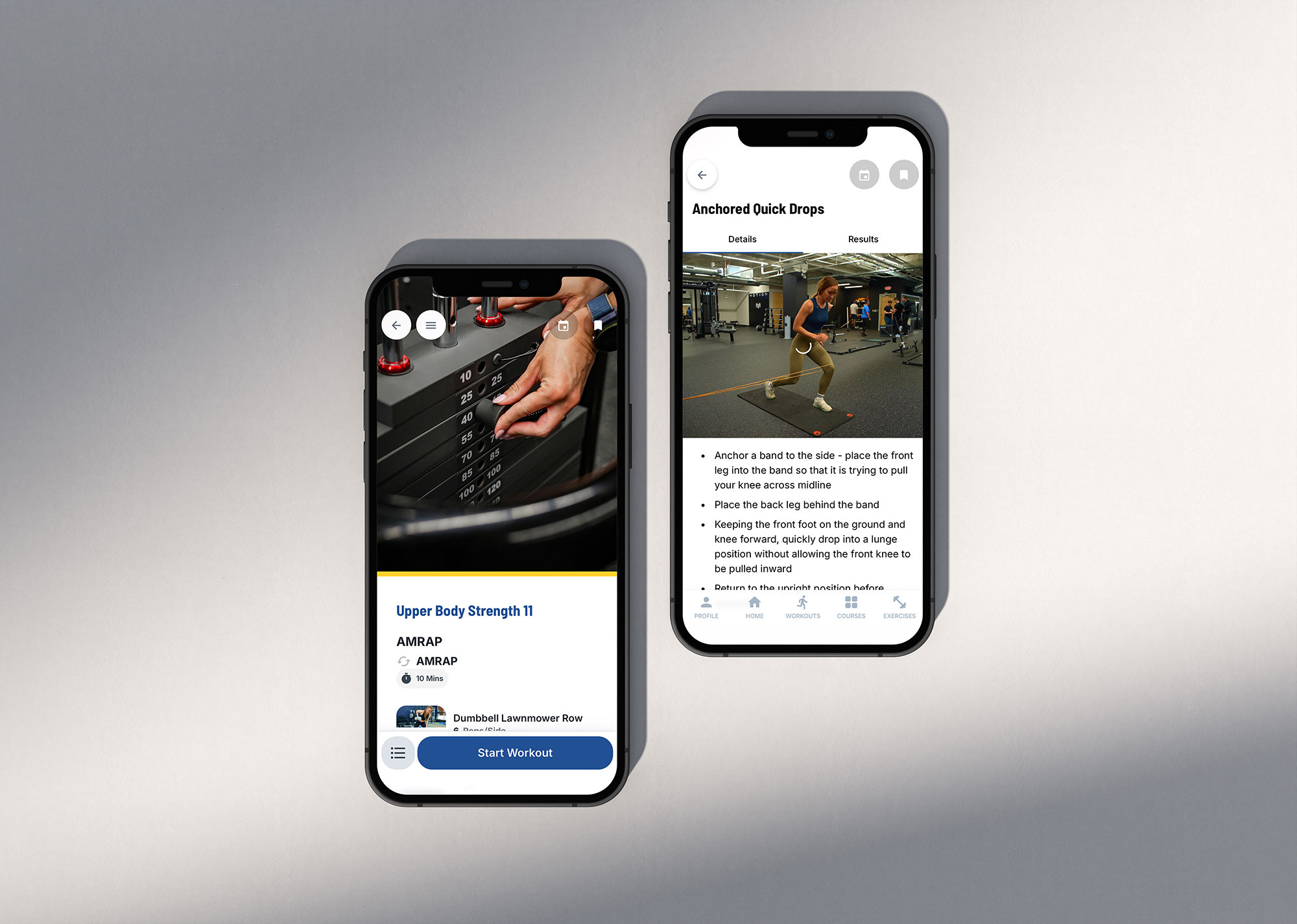
Before Movement, everything felt fragmented. Programming, communication, and education all lived in different places, which made it harder to create a cohesive experience for clients. So much of pelvic health is education given that pictures and videos of this area can obviously be less than helpful. Having a platform that allowed me to host exercises but also focus on course development and client education was so important.
I also wanted a better way to deliver more than just workouts. My approach relies heavily on context, education, and helping people interpret what they're feeling in their body, and I didn't feel like most platforms supported that well.
"Having a platform that allowed me to host exercises but also focus on course development and client education was so important. I also wanted a better way to deliver more than just workouts."
What made you choose Movement over other platforms? Did you try any others?
I explored a few different options, but Movement stood out because it felt like it was built for coaches who care about more than just sets and reps. My colleague who helps put together all of the media side of my business came across Movement and it was a no-brainer. I am laughably horrible at anything tech-related, so the fact that Movement is set up in a way that I'm able to navigate is a big deal.
The user experience—both the coach and client side—was a big factor. It's intuitive, clean, and doesn't feel overly complicated. But more importantly, it gave me a way to integrate education, communication, and programming in one place, which aligned really well with how I actually coach.
"I explored a few different options, but Movement stood out because it felt like it was built for coaches who care about more than just sets and reps.
It gave me a way to integrate education, communication, and programming in one place, which aligned really well with how I actually coach."
How has Movement helped you grow, simplify, or scale?
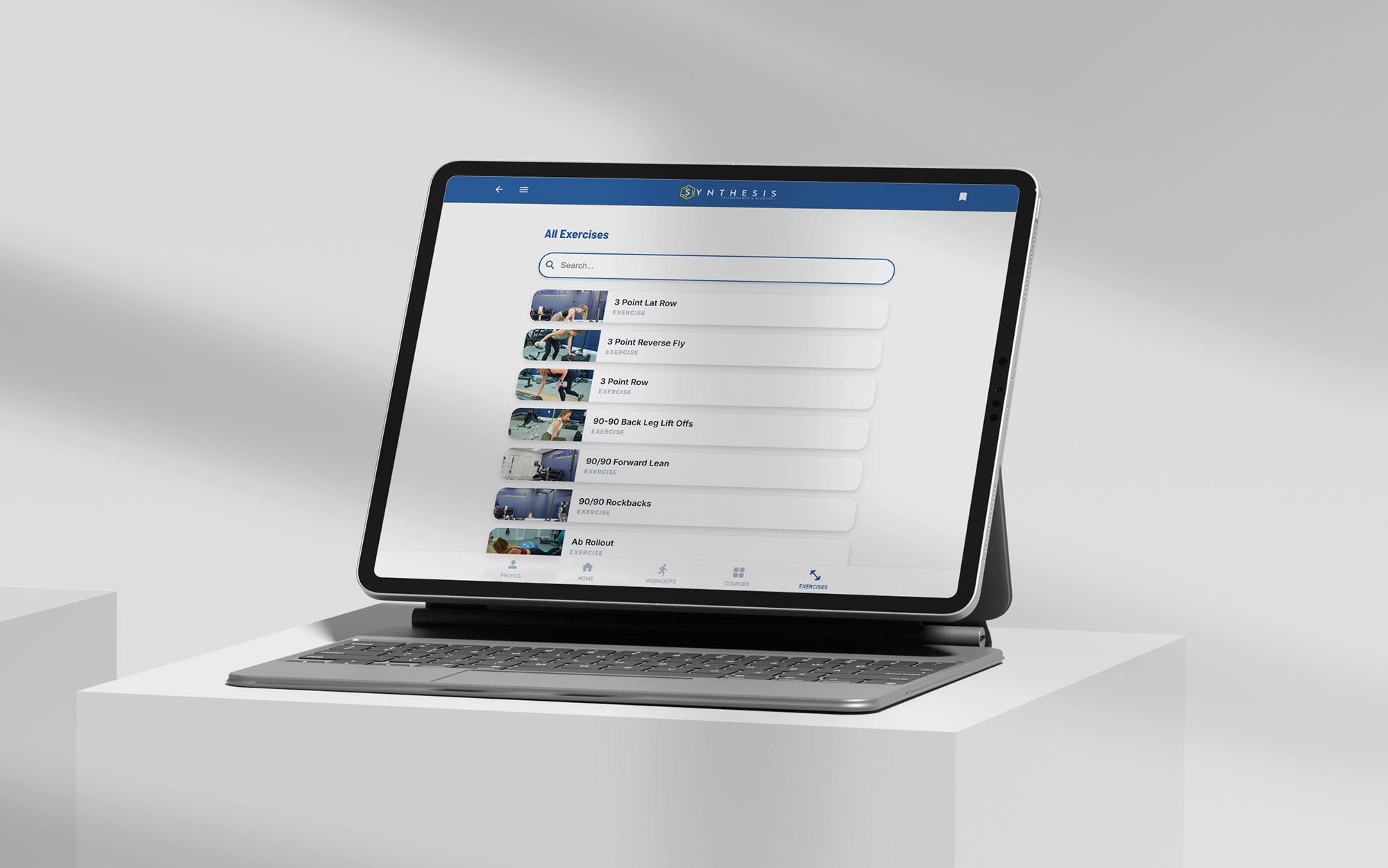
Movement has allowed me to streamline everything into one platform, which has been huge from both a time and energy standpoint. I'm spending less time managing logistics and more time actually coaching.
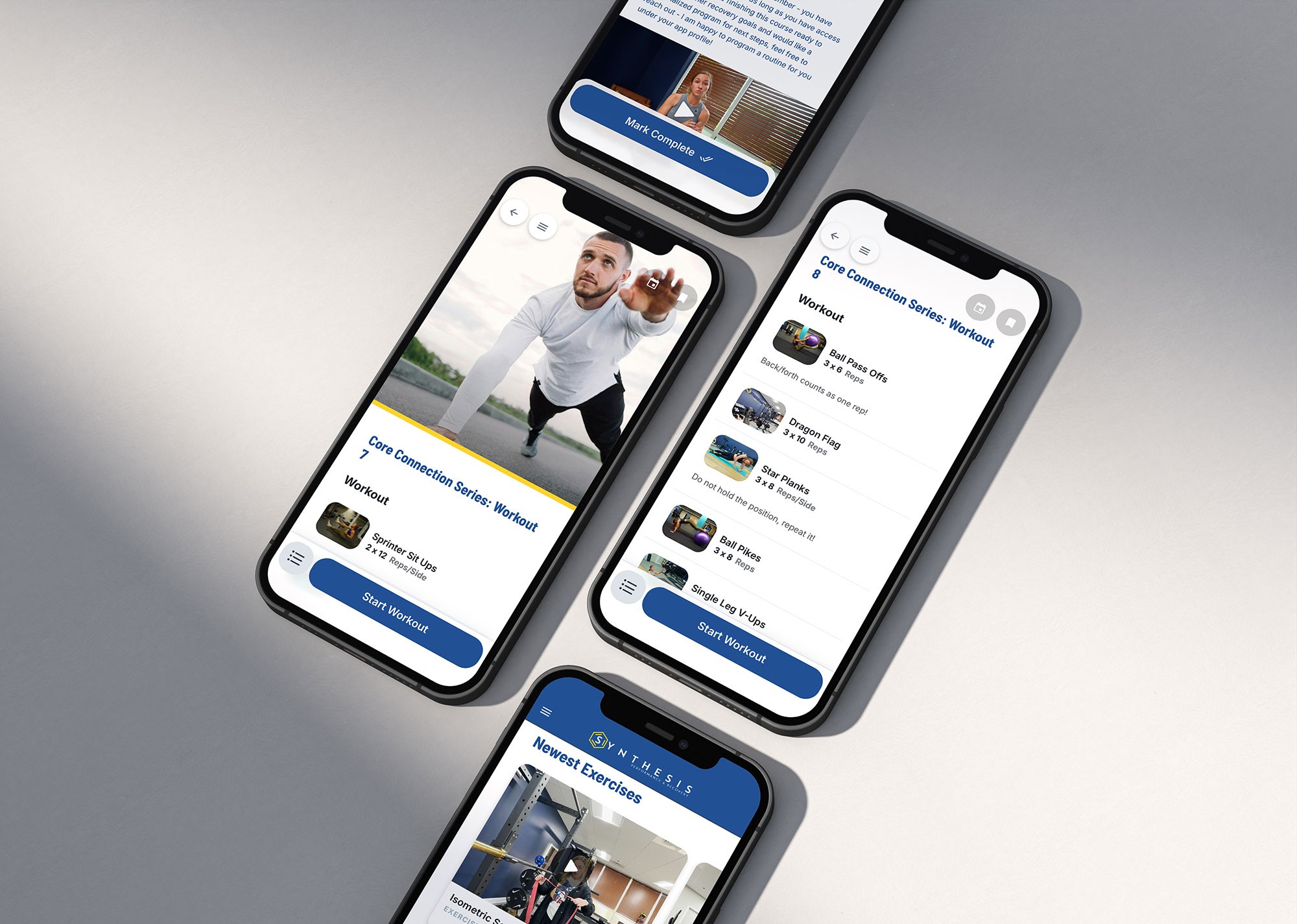
It's also made it easier to scale what I do without losing the individualized feel. I can deliver structured programs, layer in education, and still create an experience that feels thoughtful and intentional rather than generic. It's allowed me to reach clients on a broader scale knowing that I have the capability to program for them effectively even when it's virtual. I love the fact that I can upload digital files and can list alternative movements for clients that I'm not seeing in person. Without it, I would be limited to what I do within the clinic walls.
"Movement has allowed me to streamline everything into one platform, which has been huge from both a time and energy standpoint. It's also made it easier to scale what I do without losing the individualized feel."
What features or aspects of Movement have been most useful for your work?
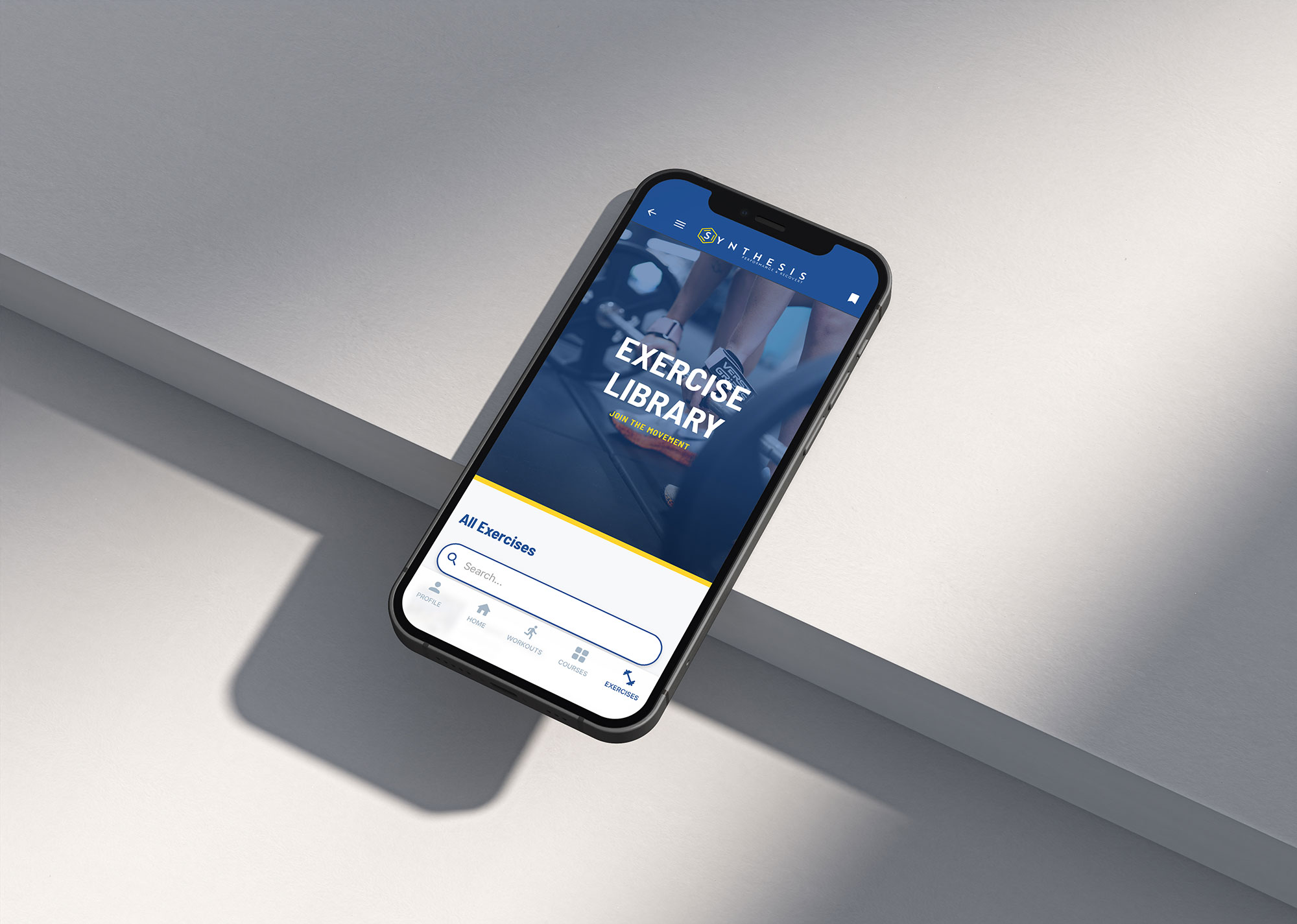
The ability to combine programming with education has been the most valuable piece for me. I can give context alongside the work, which helps clients make better decisions and feel more confident in their training.
I also really appreciate how easy it is to organize content and build out structured programs without it feeling clunky on the client side. That usability matters more than people realize and the client user experience is make or break. Being able to upload videos of educational pieces to go alongside the traditional exercise approach is the epitome of what my business represents.
"The ability to combine programming with education has been the most valuable piece for me.
I also really appreciate how easy it is to organize content and build out structured programs without it feeling clunky on the client side. That usability matters more than people realize and the client user experience is make or break."
What would you tell another coach or creator considering Movement?
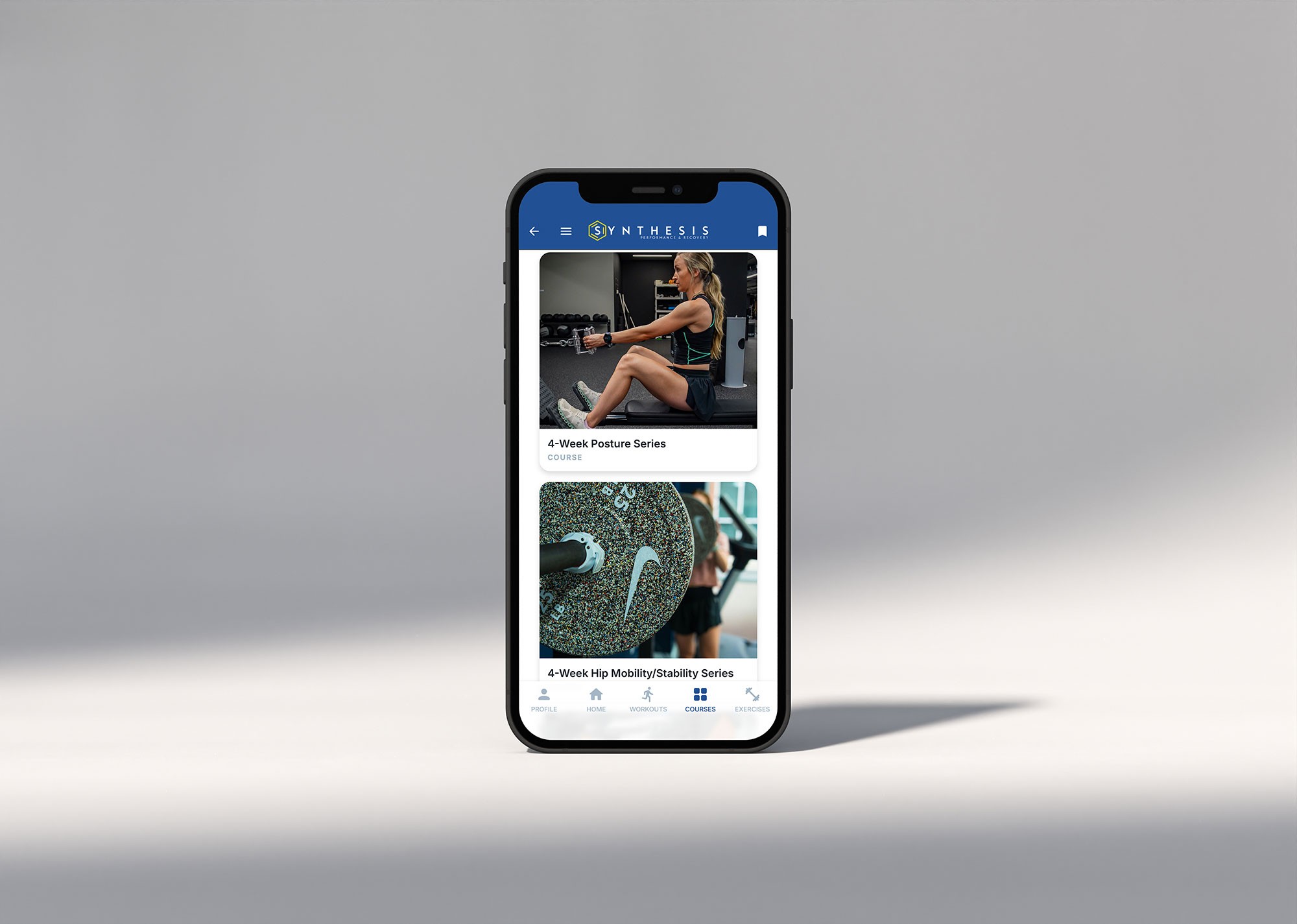
If your coaching goes beyond just delivering workouts—if you care about education, nuance, and actually helping people understand their training—Movement makes that a lot easier to do well.
It's one of the few platforms that supports a more thoughtful coaching model without adding complexity. It allows you to scale without feeling like you're diluting your work, which is a hard balance to strike.
"If your coaching goes beyond just delivering workouts—if you care about education, nuance, and actually helping people understand their training—Movement makes that a lot easier to do well."
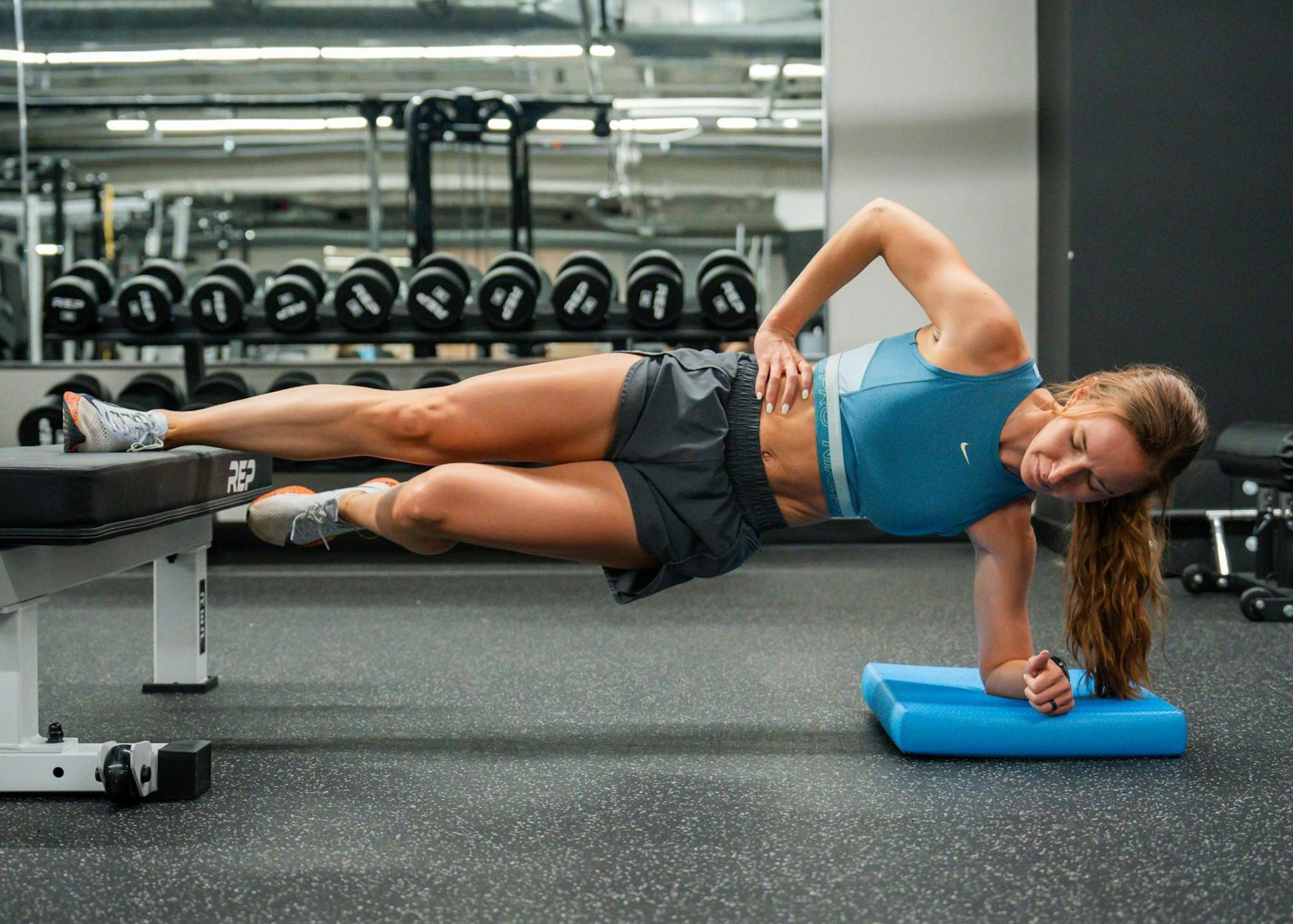
Today, Rachel reaches athletes far beyond her Charlotte clinic through Synthesis—delivering the same thoughtful, education-rich approach she's known for in her 1:1 practice, but at scale.
For a physical therapist who became passionate about pelvic health after experiencing the limited and conflicting care available for active moms, finding a platform that could support her nuanced approach wasn't just convenient—it was essential.
Movement gave her the ability to integrate programming with education, deliver context alongside workouts, and create an experience that feels individualized even when it's virtual: "without it, I would be limited to what I do within the clinic walls." Now, she's changing the narrative around pelvic health and athletic performance for runners and active women worldwide—proving that motherhood and athleticism don't have to be mutually exclusive, and that the right platform makes all the difference in how you scale your expertise.
Check out the Synthesis App or find Dr. Rachel Selman on Instagram.
⋯
Ready to scale your practice and reach beyond your clinic walls?
Whether you're a physical therapist with specialized knowledge athletes need, a healthcare professional wanting to deliver education alongside programming, or a coach whose approach requires more than just workout delivery—Movement gives you the tools to create exactly what your clients deserve. Integrate education, programming, and communication in one platform.
What is Movement?
Movement is an all-in-one platform that helps coaches, creators, and community builders launch beautifully branded apps and memberships—without needing to be technical or piece together multiple tools.
Whether you're offering courses, events or programs, selling digital products, or hosting a private community, Movement gives you everything you need in one place: content and video hosting, chats, events, directories, and more.
It’s designed to be intuitive for you and seamless for your audience—so you can focus on delivering value, not managing tech.
For coaches who are tired of stitching together tools like Kajabi, Squarespace, and Facebook Groups, Movement offers a simpler, more scalable way to grow your business and deepen client connection—all under your own brand.
Find out more or sign up for a free account here.
Back to all customer stories